
Turtle Diving Tenerife: A Complete Guide to Swimming and Diving with Turtles
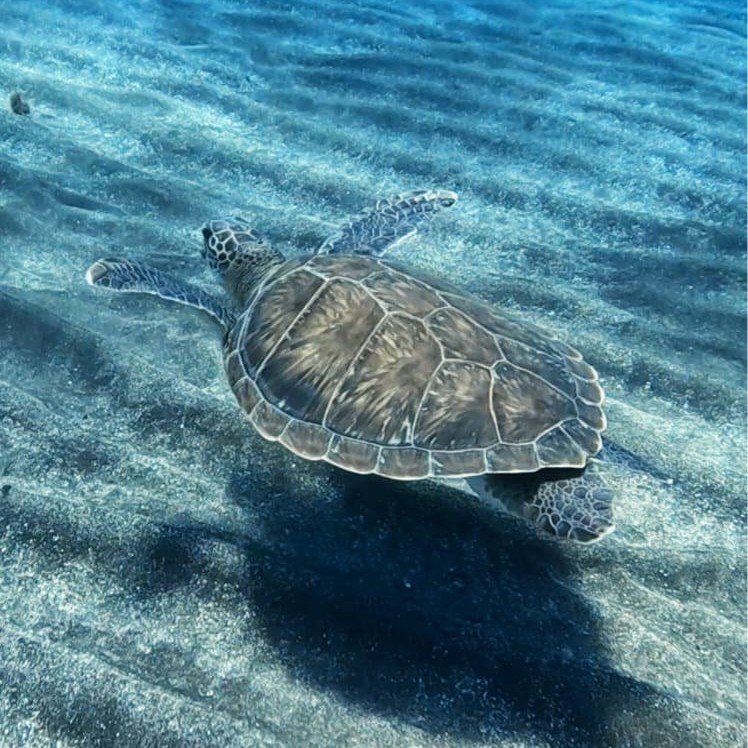
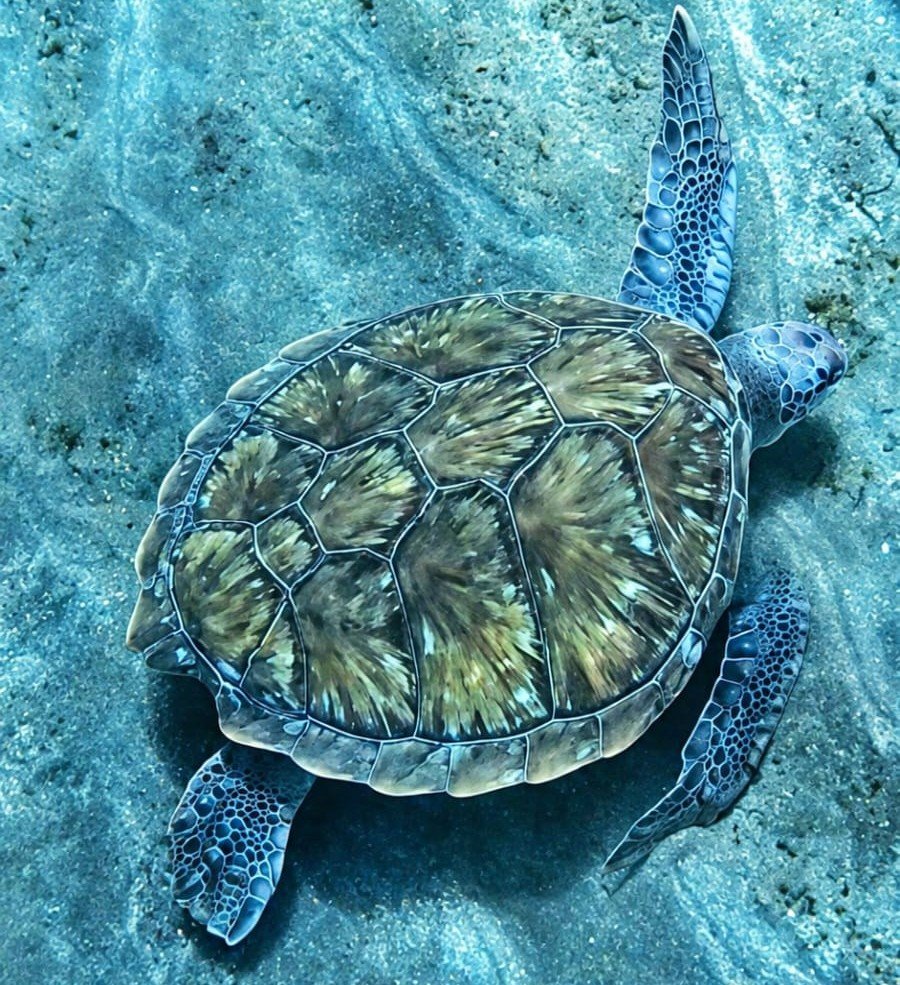
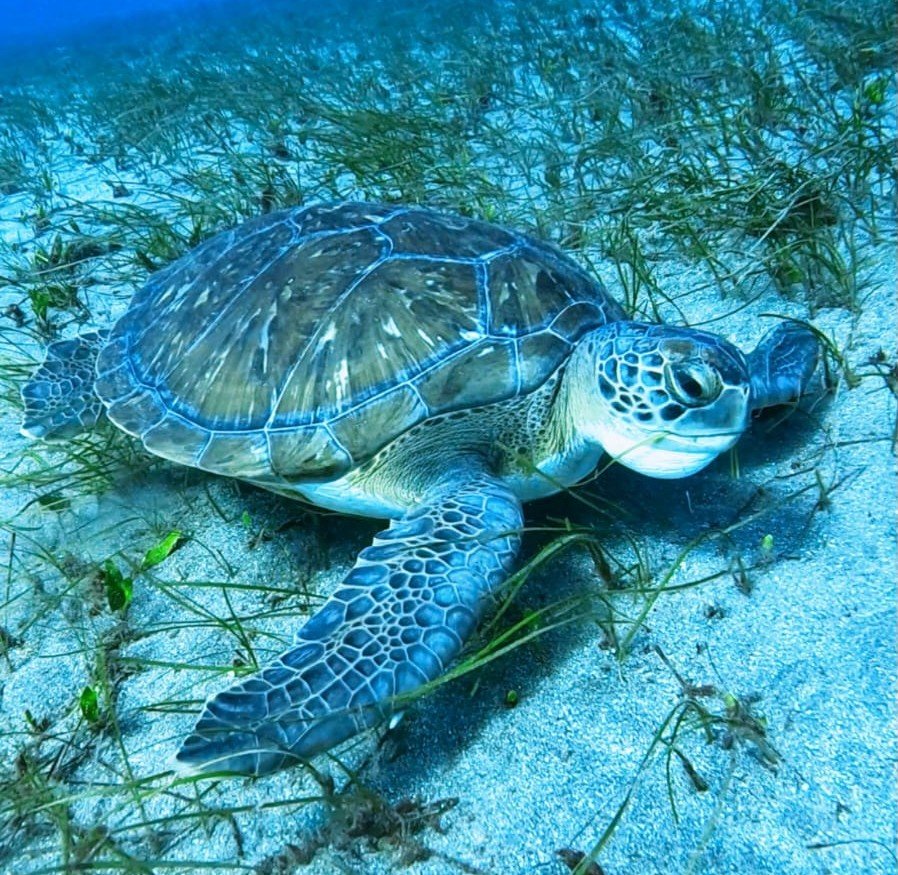
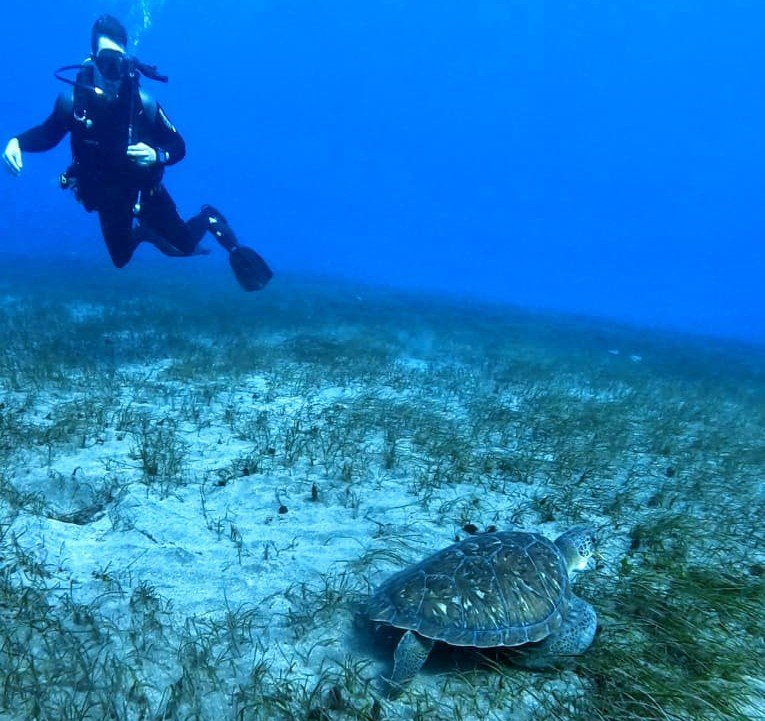
Tenerife has a volcanic coastline that creates a fascinating underwater environment. Lava formations, rocky reefs, caves, walls and sheltered bays provide habitats for numerous marine species.The island's location in the Atlantic also contributes to its diverse marine ecosystem. Divers can encounter schools of fish, moray eels, rays, octopuses, cuttlefish and many smaller species. Sea turtles are among the most exciting animals to encounter, although they are wild animals and sightings can never be guaranteed.
Another major advantage is the climate. Tenerife enjoys relatively mild conditions throughout the year, making it possible to go diving in different seasons. Water temperatures vary during the year, but they generally allow diving without the extreme conditions found in many other European destinations.The southern coast is particularly popular with divers because it offers a wide range of dive centres, boat trips and accessible dive sites. This makes Tenerife suitable not only for experienced divers but also for beginners who want to try scuba diving for the first time.
If you want to read more about INTRO DIVE called TRY DIVE click on the link below:
Try Dive Tenerife | First Scuba Diving Experience for Beginners
Which Sea Turtles Can You See in Tenerife?


One of Tenerife's biggest advantages is its year-round diving potential. There is no single month when turtles are guaranteed to appear, however, marine wildlife is unpredictable, and turtle sightings depend on natural factors rather than a fixed tourist season.
The best strategy is therefore not to plan a trip around a guaranteed turtle sighting. Instead, consider staying for several days and booking more than one dive if seeing marine wildlife is one of your main goals.
Weather is also important. Wind and waves can affect visibility and determine whether a particular dive site is suitable. The safety is priority for us and we adjust the dive site according to the ocean conditions.
Morning or Afternoon Diving?
Both morning and afternoon dives can be enjoyable. To meet the turtle we prefer morning trips because conditions can be calmer and visibility may be good.
However, there is no universal rule that turtles are only visible at a particular time of day. The behaviour of wild animals varies, and local conditions are more important than a simple morning-versus-afternoon rule.
Wildlife encounters are a privilege. Responsible behaviour helps protect animals and ensures that future visitors can enjoy the same experience.
1. Never Touch a Sea Turtle
Even if a turtle approaches you, do not touch it. Sea turtles are wild animals and physical contact can disturb their natural behaviour. Touching their shell, flippers or head can also expose them to unnecessary stress.
2. Never Feed Turtles
Feeding wild animals can alter their natural behaviour and make them associate humans with food. Be a responsible diver and never feed turtles for photographs or close encounters.
3. Keep a Respectful Distance
Do not surround a turtle or block its path.This is particularly important when a turtle needs to reach the surface to breathe. Divers should never position themselves between the animal and the surface. If the turtle swims away, let it go.
4. Do Not Chase Turtles
A turtle may look slow compared with a diver, but it is capable of swimming away quickly when it feels threatened. Following it closely can turn a peaceful encounter into a stressful experience for the animal. Instead, remain in position and observe from a distance.