Turtle Diving Tenerife: A Complete Guide to Swimming and Diving with Turtles
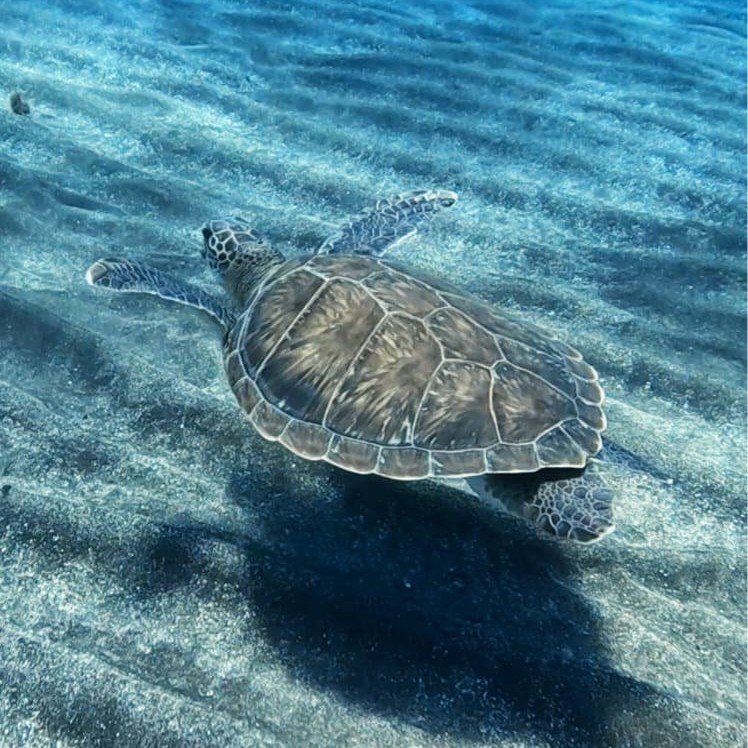
Tenerife is one of the most popular destinations in the Canary Islands for people who want to discover the underwater world. Warm weather, volcanic landscapes, clear Atlantic waters and a wide variety of marine life make the island an excellent destination for scuba diving throughout the year. Among the most memorable experiences available to visitors is turtle diving Tenerife — the opportunity to observe sea turtles in their natural marine environment.

Seeing a turtle underwater is very different from seeing one in an aquarium or at a wildlife centre. A sea turtle can glide calmly through the water, search for food among rocks, grass or slowly swim toward the surface. The experience is peaceful, natural and often unforgettable.

However, turtle diving is about much more than finding a turtle. Responsible diving means respecting marine life, maintaining a safe distance and allowing animals to behave naturally. This guide explains what to expect from turtle diving in Tenerife, where to go, when to visit, how to prepare and how to make your experience as safe and environmentally friendly as possible.


Why Is Tenerife So Good for Turtle Diving?

Tenerife has a volcanic coastline that creates a fascinating underwater environment. Lava formations, rocky reefs, caves, walls and sheltered bays provide habitats for numerous marine species.The island's location in the Atlantic also contributes to its diverse marine ecosystem. Divers can encounter schools of fish, moray eels, rays, octopuses, cuttlefish and many smaller species. Sea turtles are among the most exciting animals to encounter, although they are wild animals and sightings can never be guaranteed.
Another major advantage is the climate. Tenerife enjoys relatively mild conditions throughout the year, making it possible to go diving in different seasons. Water temperatures vary during the year, but they generally allow diving without the extreme conditions found in many other European destinations.The southern coast is particularly popular with divers because it offers a wide range of dive centres, boat trips and accessible dive sites. This makes Tenerife suitable not only for experienced divers but also for beginners who want to try scuba diving for the first time.
If you want to read more about INTRO DIVE called TRY DIVE click on the link below:
Try Dive Tenerife | First Scuba Diving Experience for Beginners

Which Sea Turtles Can You See in Tenerife?

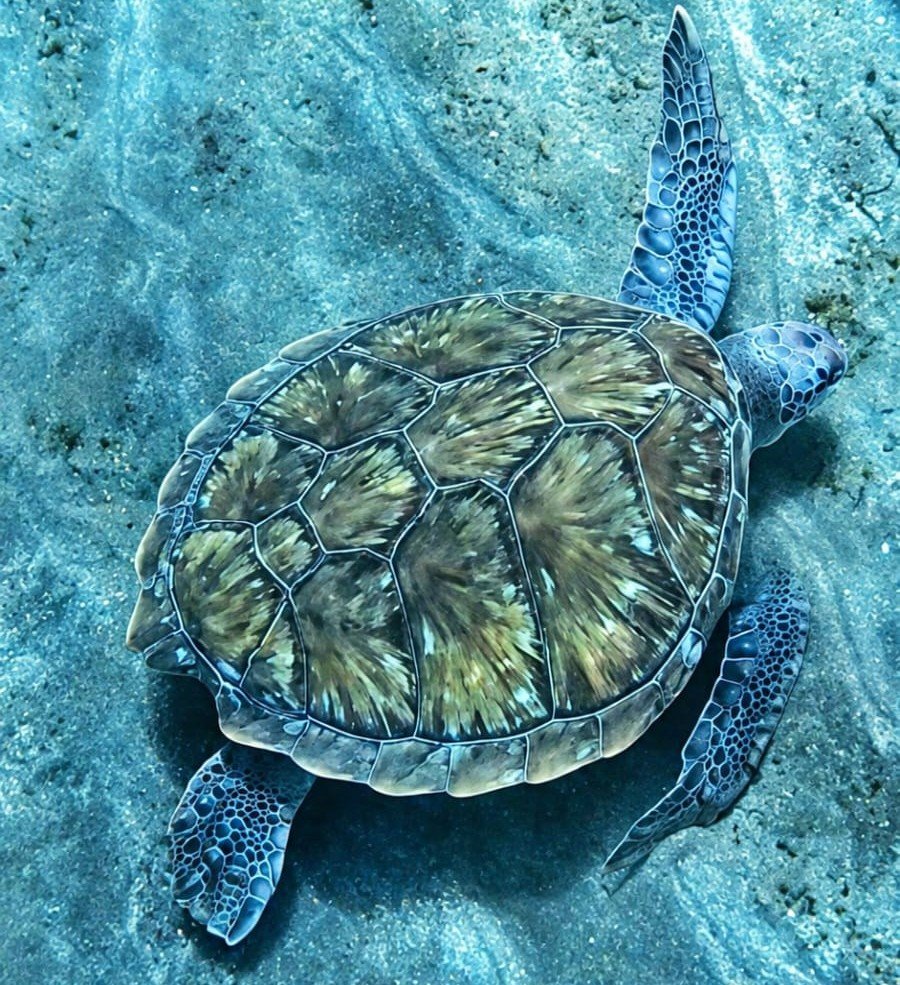
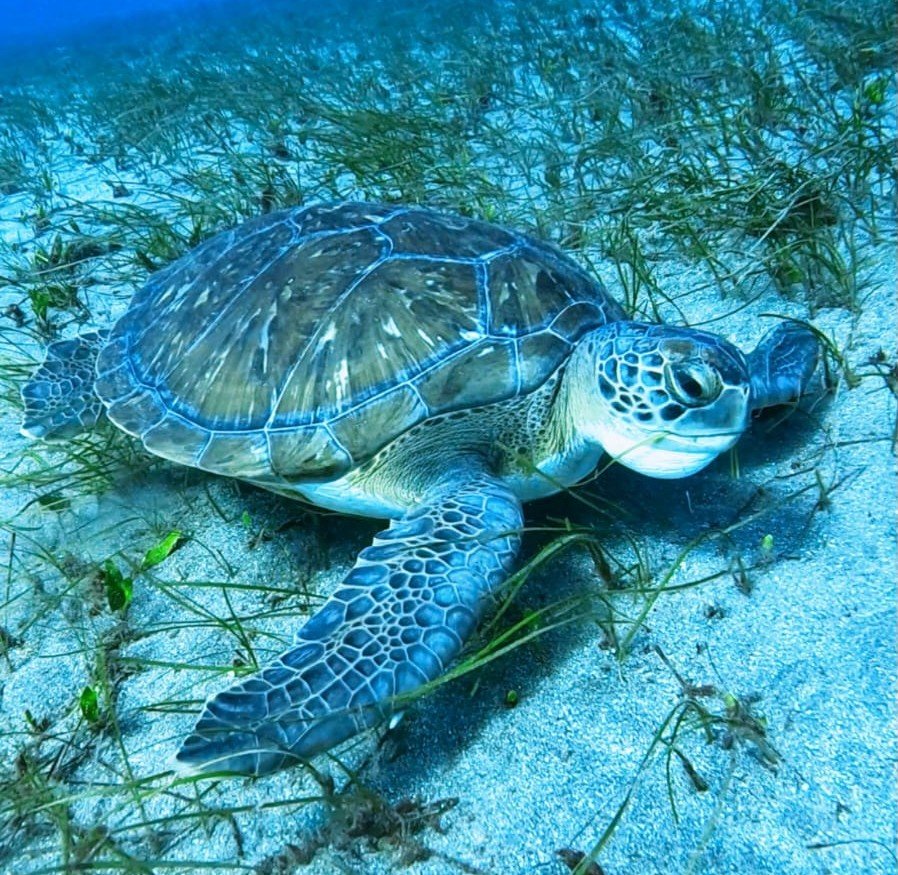
GREEN SEA TURTLE & CARETTA CARETTA THE MOST OFTEN SEEN SPACIES IN TENERIFE

Sea turtles are highly mobile animals. They travel considerable distances and do not necessarily remain in the same area every day. Their movements can depend on food availability, water conditions, weather and seasonal patterns.

For this reason, a reputable dive centre should never promise that customers will definitely see a turtle. Instead, experienced guides use their local knowledge to select suitable dive sites based on current conditions and recent wildlife observations.

Even when turtles are not present, Tenerife’s underwater environment offers plenty to discover. A dive can reveal colourful fish, rocky formations, sponges, anemones, crustaceans and other marine life.

Best Areas for Turtle Diving in Tenerife

Turtle Diving Tenerife

Tenerife has dive sites around much of its coastline, but the south of the island is particularly popular for recreational diving.

ABADES

ABADES is one of the best-known bases for diving in Tenerife. The area combines diving infrastructure with easy access to the Atlantic and a variety of underwater animals.

We offer trips for beginners, certified divers and more experienced underwater explorers to Abades located 20min from our dive center. This dive site is very safe because there are prohibited boats, kayaks and fishing. 

The underwater volcanic landscape around the southern coast creates plenty of opportunities for marine-life encounters. Divers should pay attention to the entire environment rather than focusing exclusively on finding turtles. Often, the most memorable dives are those where several different species appear unexpectedly. 

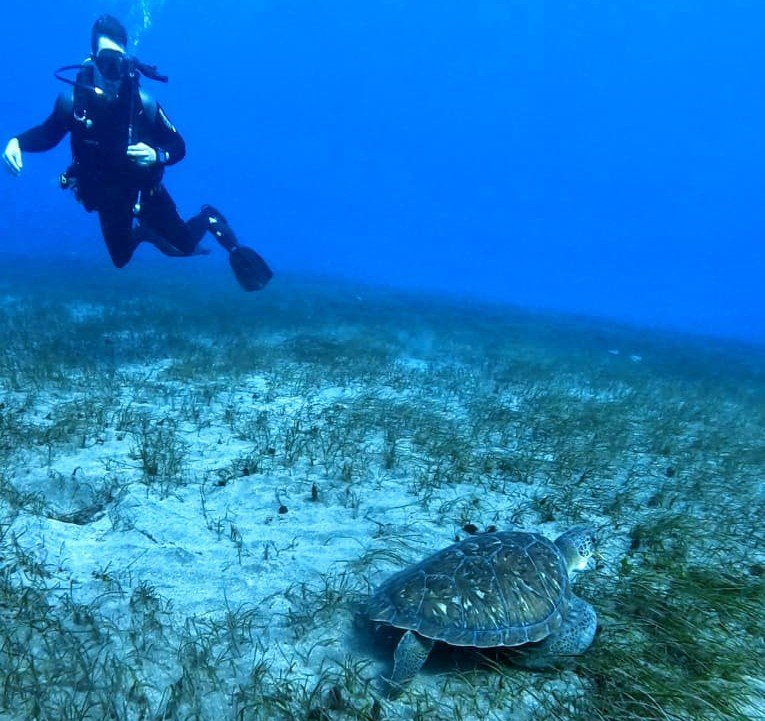
Here you can find green sea turtle and not only one. They eat sea grass which grows on the 7m depth. It is mean that you don’t have to be advanced diver to scuba dive with turtles there.


MONTANA AMARILLA

MONTANA AMARILLA is another popular location for diving activities. The beautiful location under the yellow mountain is the perfect site for the all divers and photographers. 

Dive site located just 500m from our dive center. Easy access to the water on the ladder.

You can meet here the Caretta Caretta turtle, but it’s depend of the luck. This turtle lives deeper but sometimes we can find him between underwater mountains.

Full characteristic of this dive site you can find in the link below:

MONTANA AMARILLA SCUBA DIVING – DIVE LOVERS TENERIFE


PALM-MAR 

PALM-MAR is the one of the most interesting dive site in Tenerife. The area is convenient for travellers who want to combine diving with a quiet town with access to the Ocean.

We recommend this dive site for the advanced divers. There are 2 points to visit where you can meet Caretta Caretta and Green Sea Turtle. This dive site is deep and we often see rays there. Because conditions can change, the dive site is normally selected according to the weather, currents, visibility and the experience level of the divers.

When Is the Best Time for Turtle Diving in Tenerife?

One of Tenerife's biggest advantages is its year-round diving potential. There is no single month when turtles are guaranteed to appear, however, marine wildlife is unpredictable, and turtle sightings depend on natural factors rather than a fixed tourist season.
The best strategy is therefore not to plan a trip around a guaranteed turtle sighting. Instead, consider staying for several days and booking more than one dive if seeing marine wildlife is one of your main goals.
Weather is also important. Wind and waves can affect visibility and determine whether a particular dive site is suitable. The safety is priority for us and we adjust the dive site according to the ocean conditions.

Morning or Afternoon Diving?

Both morning and afternoon dives can be enjoyable. To meet the turtle we prefer morning trips because conditions can be calmer and visibility may be good.
However, there is no universal rule that turtles are only visible at a particular time of day. The behaviour of wild animals varies, and local conditions are more important than a simple morning-versus-afternoon rule.

Responsible Turtle Diving: The Rules You Should Follow

Wildlife encounters are a privilege. Responsible behaviour helps protect animals and ensures that future visitors can enjoy the same experience.

1. Never Touch a Sea Turtle

Even if a turtle approaches you, do not touch it. Sea turtles are wild animals and physical contact can disturb their natural behaviour. Touching their shell, flippers or head can also expose them to unnecessary stress.

2. Never Feed Turtles

Feeding wild animals can alter their natural behaviour and make them associate humans with food. Be a responsible diver and never feed turtles for photographs or close encounters.

3. Keep a Respectful Distance

Do not surround a turtle or block its path.This is particularly important when a turtle needs to reach the surface to breathe. Divers should never position themselves between the animal and the surface. If the turtle swims away, let it go.

4. Do Not Chase Turtles

A turtle may look slow compared with a diver, but it is capable of swimming away quickly when it feels threatened. Following it closely can turn a peaceful encounter into a stressful experience for the animal. Instead, remain in position and observe from a distance.

Is Turtle Diving Suitable for Beginners and Kids?

YES. Tenerife offers diving experiences for people with little or no previous scuba diving experience and it is also very safe for kids.

Beginners can start with an introductory dive under the direct supervision of an instructor. The experience normally begins with basic instruction on equipment, breathing, buoyancy and underwater communication.

TRY DIVE – ABADES OR MONTANA AMARILLA

Certified divers have more options and can join trips appropriate to their qualification and experience.

However, beginners should not choose a dive simply because it is advertised as a “turtle dive.” Safety and suitability should come first. We will select an appropriate site based on the participant’s ability and the conditions on the day.